Goldknopf's Three Seats and Bennett's Dilemma Could Shape Israel's Next Government
With less than a day until voting begins, political assessments indicate that a small Haredi faction and a former prime minister may hold the deciding vote in coalition negotiations.
By Robert Thompson ·
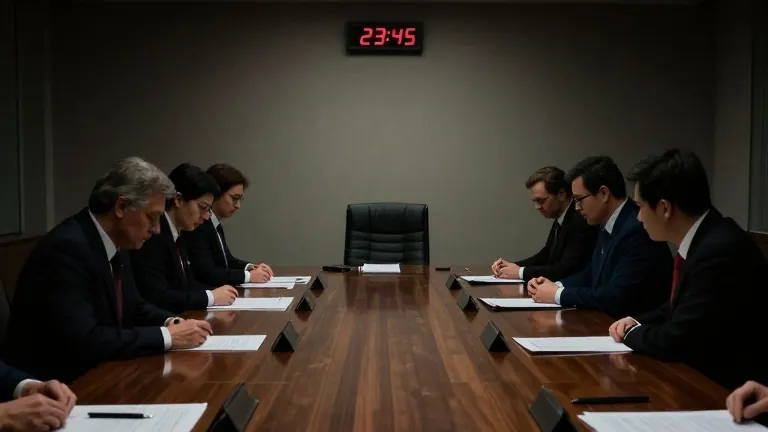
Yitzhak Goldknopf, leader of the three-member Agudat Yisrael faction, and former Prime Minister Naftali Bennett are positioned to influence the outcome of Israel's upcoming election. Political assessments suggest Goldknopf's small bloc could provide backing to an opposition-led government in exchange for specific budgetary agreements. Bennett, meanwhile, may determine the shape of the next government if neither the right nor the change bloc secures a clear majority.
The current political landscape is defined by uncertainty as the election date approaches. In August, Maariv reported that Agudat Yisrael was exploring new political options, including potential cooperation with Gadi Eisenkot of the change bloc. These discussions arose from internal friction within the United Torah Judaism party. Agudat Yisrael expressed disappointment with the current coalition's conduct, while the rival Degel Hatorah faction showed a lack of confidence in Prime Minister Benjamin Netanyahu. Rabbi Dov Lando further complicated the picture by expressing reservations about maintaining the commitment to the Netanyahu-led bloc.
Despite these developments, Goldknopf faces a structural challenge. His voter base is largely identified with the Right. Political analysts warn that any visible support for a change bloc government could drive some of his supporters toward Likud or Otzma Yehudit. This dynamic makes a deal with the opposition risky for Goldknopf's electoral future.
Simultaneously, attention is turning to Bennett as a potential wildcard. If neither bloc reaches the 61 seats required for a Knesset majority, Bennett could join a Netanyahu-led government. This scenario is considered remote because Bennett would have to shift his political base. However, some view him as the only leader in the change bloc capable of such a move due to his right-wing background. The composition of his current party adds further complexity to this possibility.
Avigdor Liberman has also been cited as a potential mover, given his history of serving as defense minister in a Netanyahu government. However, current assessments suggest Liberman is far from such a move due to ongoing personal and political disagreements with the Prime Minister. The central question for coalition negotiators will be which politician is willing to alter their political alignment to secure power.
These scenarios remain political assessments rather than finalized agreements. With less than a day left before voting begins, figures in the political establishment are reviewing outcomes that include a government relying on Arab party support or a return to the polls for a second election. The final seat count will dictate whether Goldknopf's budget demands or Bennett's potential pivot become the defining factors in the next government.
Source: The Jerusalem Post